
Startups · Aug 29, 2026 · 7 min read
Startup MVP development checklist: ship the smallest product that can learn
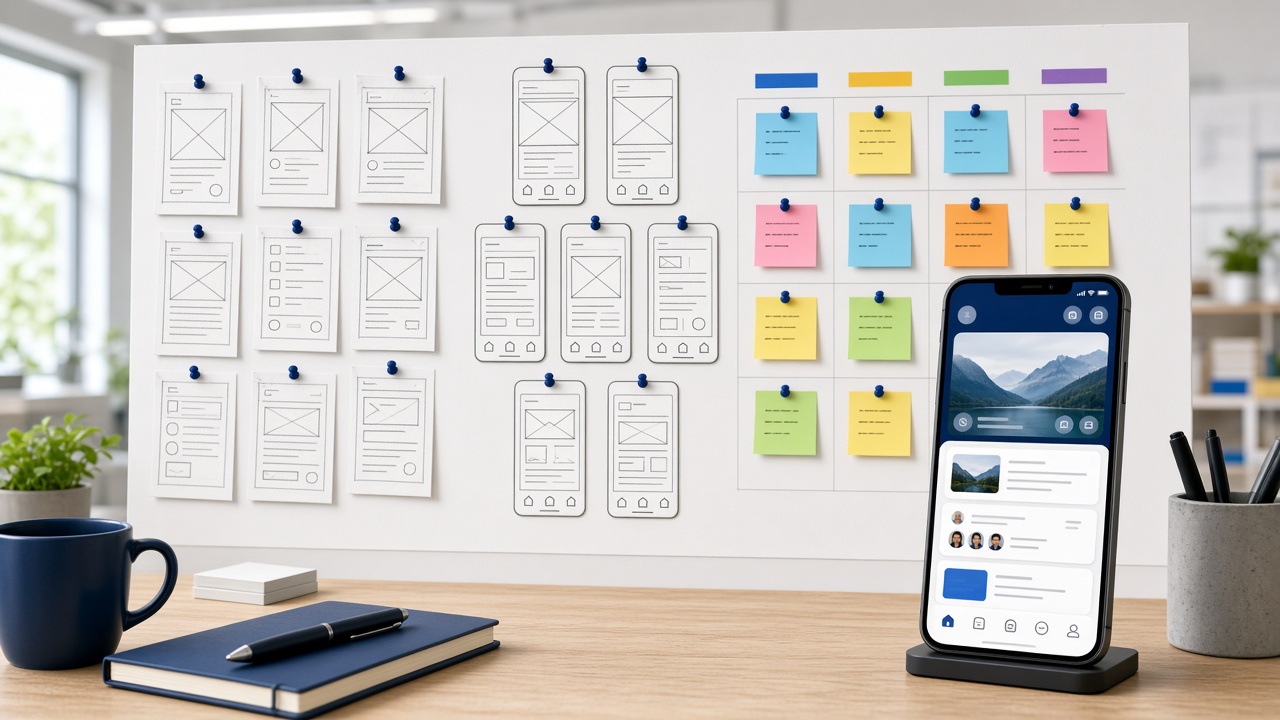
An MVP is not a cheaper version of the dream product. It is the smallest build that can prove a user will complete a valuable job.
By PKT Info Tech
Views
Write the user and the job before the feature list
Founders often arrive with a platform vision. An MVP needs a person, a situation, and a job that person will pay for or repeatedly use. If two user types are required for the product to make sense, you may have a marketplace—and marketplaces are rarely first-release MVPs.
PKT Info Tech uses a short validation pass: who we will interview or onboard, what we will not build, and how we will know the MVP worked. That last point should be a behavior, not a compliment.
The checklist we actually run
Keep this list visible during scoping. If an item is missing, stop adding screens.
- One primary user and one secondary role at most
- One workflow that proves value end to end
- Sign-up, permissions, and a way to reset access
- Analytics on the steps that matter, even if simple
- A feedback channel you will actually read
- Hosting, backups, and a named person for incidents
- A budget for the second sprint after real usage
What to cut without guilt
Admin polish, multiple themes, native apps, and AI features can wait if they do not change the buying or usage decision. Referral programs can wait until there is something worth referring. Perfect brand systems can wait behind a consistent, credible UI.
Do not cut security basics, data ownership, or the ability to export. Startups get diligence questions earlier than they expect. Clean code ownership and a simple architecture help more than a decorative dashboard.
Build so the second sprint has signal
We like open stacks the founding team can keep: Laravel or Node, React, and a database you can inspect. You should own the repository. A no-code prototype is fine for learning; a production MVP should not trap you in a tool you cannot leave.
After launch, the checklist flips: review the funnel weekly, pick one improvement, and ignore the rest until it ships. That is startup product support—iteration with a short leash, not an endless rebuild.
Related services
Continue reading




Swipe to continue reading
Want help applying this to your product?
Talk through your software, SaaS, ecommerce or AI requirement with the PKT Info Tech team.