
SaaS · Sep 18, 2026 · 9 min read
SaaS product development: taking an MVP to a production platform
A SaaS MVP should prove one paid workflow. Production SaaS adds tenancy, billing, roles, and operations without throwing the first build away.
By PKT Info Tech
Views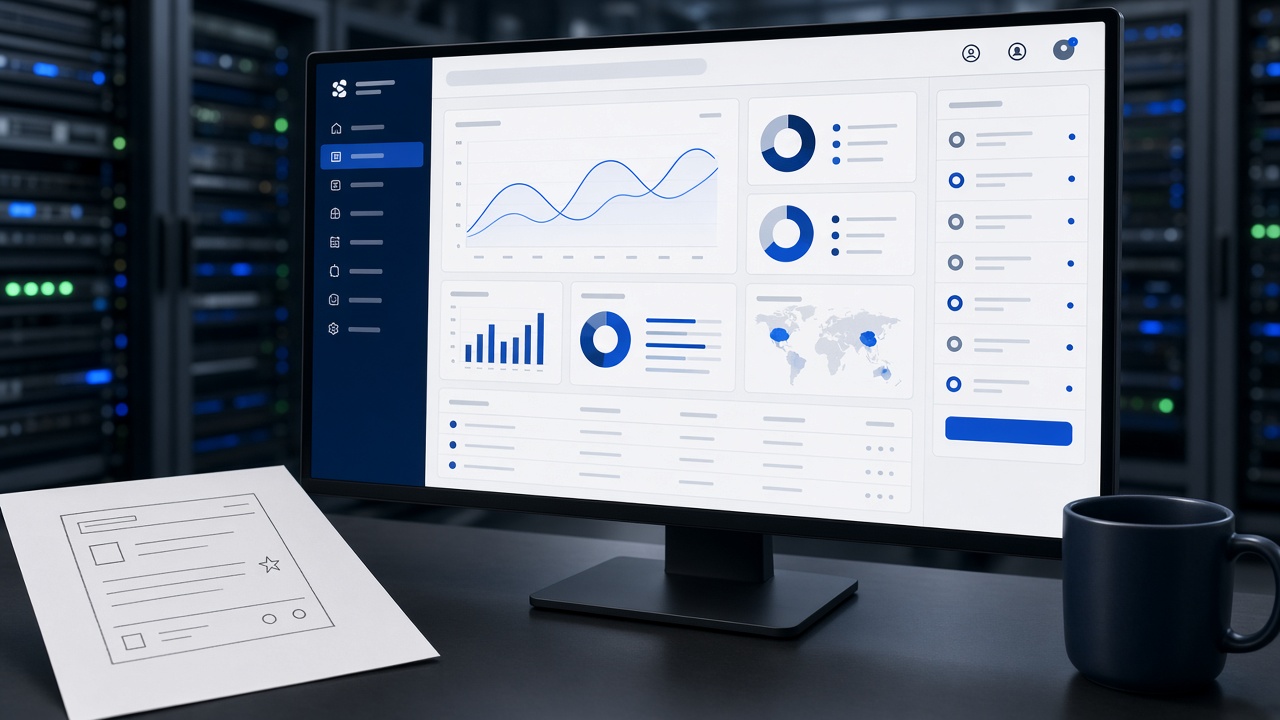
Start with one tenant-worthy workflow
SaaS product development fails most often when the first release tries to be a platform. The MVP should let one type of customer complete one valuable job, pay or commit, and come back. Everything else—marketplaces, AI copilots, white-label portals—waits until that loop is real.
We still design with production in mind. User accounts, a clean data model, and a path to multi-tenancy belong in the first architecture even if you only onboard a handful of teams. That is different from building every enterprise feature on day one.
Tenancy, roles, and data boundaries
Multi-tenant SaaS is a data-isolation problem before it is a UI problem. You need a tenant identifier on the records that matter, role checks that cannot be bypassed from the client, and admin tools that never leak one customer into another. Shared databases can work. Shared assumptions cannot.
Early products often start with a single-tenant or a simple org model and grow into stricter isolation. The mistake is mixing customer data in tables with no owner field, then discovering it during a security review. Decide the tenancy model in discovery, even if the first customers are friendly.
- Organization and role model written before coding screens
- Tenant scoping on queries and file storage
- An owner who can invite users without engineering help
- Audit-friendly actions on billing and permission changes
Billing and subscriptions without painting yourself into a corner
Subscription billing looks simple until you add trials, seats, usage, invoices, and failed cards. For an MVP, pick one pricing motion and a payment provider you can operate. Record plan state in your own database so you are not trapped if you change processors later.
PKT Info Tech usually implements billing as a module next to the product, not as a pile of webhooks only one developer understands. Finance still needs a report they trust.
APIs, integrations, and the second customer
The second serious customer always asks for an integration you did not plan. A small public or partner API, predictable webhooks, and a place to store third-party tokens will save a rewrite. Build only the endpoints the first integrations need, but keep naming and versioning disciplined.
This is also where AI features should wait for a job: summarize a record, draft a reply, classify a ticket. Do not advertise an AI platform until the core SaaS workflow is stable.
What production readiness actually means
Production SaaS is observability, backups, a staging environment, and a release path you can repeat. It is also documentation for the next engineer. We treat launch as the start of support: monitoring, security patches, and a backlog fed by real usage.
If you are looking for a SaaS development company in Chennai, ask to see how they would take your current MVP through tenancy and billing. The answer should be a sequence, not a slogan.
Related services
Continue reading




Swipe to continue reading
Want help applying this to your product?
Talk through your software, SaaS, ecommerce or AI requirement with the PKT Info Tech team.