

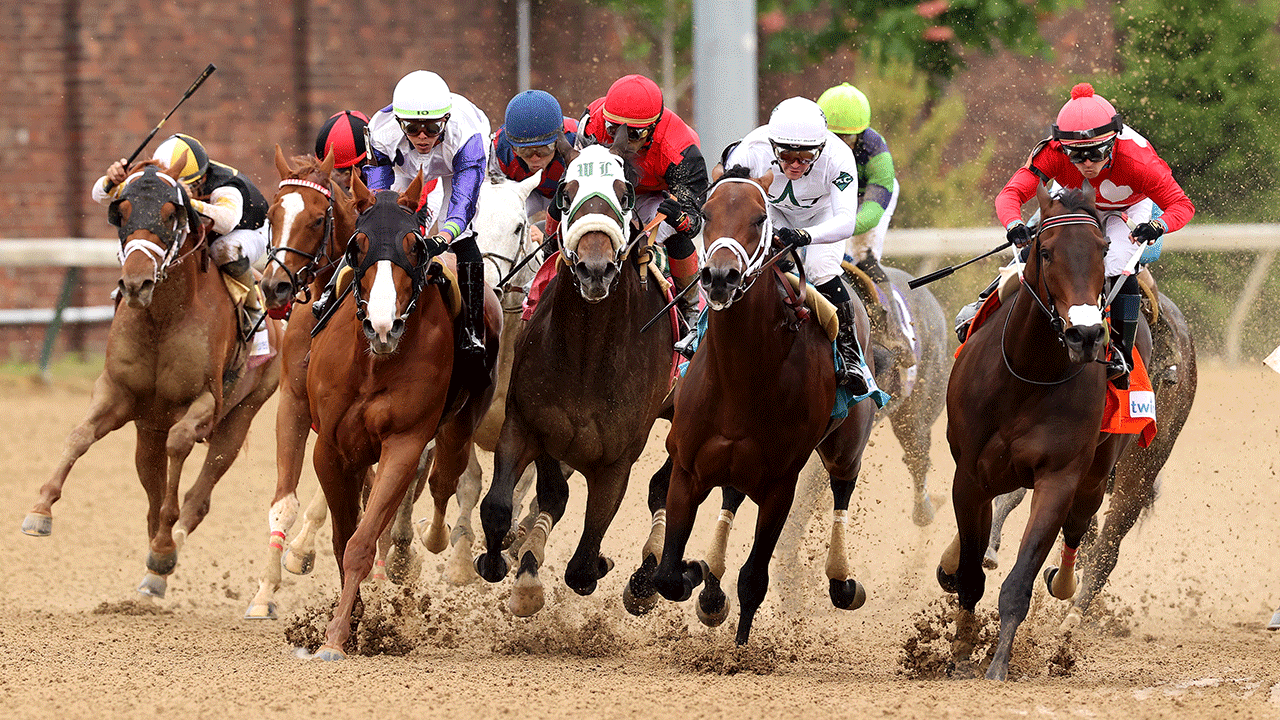
Horse racing, a sport that combines elegance, speed, and strategy, captures the hearts of millions around the world. This thrilling competition is not just about the horses thundering down the track; it’s a deeply rooted tradition filled with excitement, culture, and a sense of community. In the world of horse racing, the adrenaline rush is unmatched, a feeling that keeps enthusiasts returning for more. For more information about equestrian pursuits, you can explore horse racing not blocked by GamStop https://merseysidepolicemounted.uk/.

History of Horse Racing
The origins of horse racing can be traced back thousands of years. In ancient times, it was often associated with warfare and the need for speed. The first recorded horse race took place in Greece in 648 BC during the Olympic Games. Racing became a popular sport among the Roman aristocracy, further establishing its importance. As society evolved, so did the sport, leading to the formalization of rules and the establishment of racing venues throughout Europe.
Types of Horse Racing
Horse racing encompasses various types, each with its unique characteristics and appeal. Some of the most popular types include:
- Thoroughbred Racing: This is perhaps the most well-known type of racing, characterized by Thoroughbred horses raced over distances of a mile or more. Major events like the Kentucky Derby and the Grand National attract global attention.
- Harness Racing: This type involves horses pulling a two-wheeled cart known as a sulky. The emphasis is on speed and strategy as drivers navigate the track while controlling their horses.
- Quarter Horse Racing: Involves sprint races that usually cover a quarter of a mile. This tradition is particularly popular in the United States.
- Steeplechase: A form of racing that incorporates obstacles like fences and water jumps. It tests the endurance and agility of both horse and jockey.
The Anatomy of a Race
Every horse race is meticulously crafted and involves numerous elements that contribute to its success. Key components include:
The Jockey
The jockey plays a crucial role in the horse’s performance, skillfully guiding the horse through the race while weighing a minimum weight to ensure fair competition. Their knowledge of the horse’s abilities and the track conditions can make all the difference between victory and defeat.
The Horse
The horse itself is the star of the show. Breeding, training, and physical fitness all contribute to a horse’s potential on race day. Each horse has its strengths, weaknesses, and personality, making the relationship between horse and jockey pivotal.
The Track
The racing surface can vary from dirt to turf, and conditions may change depending on the weather. This factor adds unpredictability to each race, as various horses may perform differently based on the surface they’re running on.
The Social Aspect of Horse Racing
Horse racing is not solely about competition; it’s also a social event that brings people together. Major races are often celebrated with pomp and pageantry, drawing spectators from diverse backgrounds. The atmosphere is electric, as fans cheer for their favorites and engage in friendly rivalry. Betting adds another layer of excitement, allowing attendees to stake their predictions and connect with the event on a personal level.
Global Impact and Popularity
Horse racing enjoys immense popularity around the globe. Countries like the UK, USA, Japan, and Australia have established rich racing cultures. The sport contributes significantly to local economies through tourism, employment, and associated industries.
Online platforms have revolutionized betting, making it easier for fans to engage with races worldwide. This accessibility has expanded the fan base, introducing new audiences to the thrill of horse racing.
Challenges Facing Horse Racing
Despite its allure, horse racing faces several challenges. Issues related to animal welfare have brought scrutiny upon the industry, leading to calls for reform and improved regulations to ensure the horses’ safety and well-being. Furthermore, the rise of alternative entertainment options competes for the attention of younger generations, posing a question about the sport’s future.
Conclusion
Horse racing is a timeless sport that continues to evolve while maintaining its core values of competition, tradition, and community. The thrill of watching these majestic animals race against one another embodies the essence of perseverance and passion. As horse racing navigates the challenges of the modern age, its dedicated fans and participants remain steadfast in their love for this exhilarating sport.